This week was less about surprise and more about confirmation. A backlog of economic data was finally released after the government shutdown, giving investors a clearer read on where the economy actually stands. The picture that emerged was consistent with what markets have been sensing for months: Growth appears to be slowing, not stalling. The labor market is cooling, not cracking. Prices remain elevated, but inflation data continues to come in lower than expected.
The Policy Shift
The more material development this week came from President Trump’s televised address Thursday evening. He offered a direct vision for the future path of interest rates, stating that he would soon nominate a Federal Reserve chairman who believes rates should be materially lower. The administration’s view is clear: Inflation is falling quickly, and policy should move faster to support growth, housing, and affordability. While the comments introduced some short-term volatility in the bond market, bond yields finished the week almost exactly where they started.
That tells us something important. Either the market is skeptical that the president can deliver on this path, or there are larger forces at work. In reality, interest rates are not set in a vacuum. They are influenced just as much by currencies, capital flows, and global investment decisions as they are by domestic policy.
The Global “Floor” on Rates
The era of easy cash is hitting a global wall. While the Bank of England is cutting rates to spark growth, the Bank of Japan just did the unthinkable: hiking rates to a three-decade high. This isn’t just a foreign headline; it presents a potential threat to U.S. bond prices. When Japanese investors, the world’s biggest creditors, can finally earn a return at home, they may stop sending their trillions to the U.S. Treasury.
This global rebalancing acts as a “floor” for U.S. yields, explaining why your borrowing costs aren’t falling just because the White House wants them to. While the president may push to lower short-term rates next year, global forces could create headwinds for longer-term rates.
Against that backdrop, it is not surprising to see continued demand for gold, silver, and platinum. Many investors are using real assets as a hedge against currency shifts and policy uncertainty. This demand appears less about fear and more about diversification in a world where monetary outcomes are becoming less synchronized.
Strategic Implications
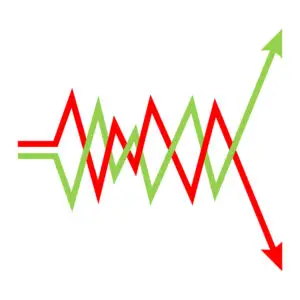
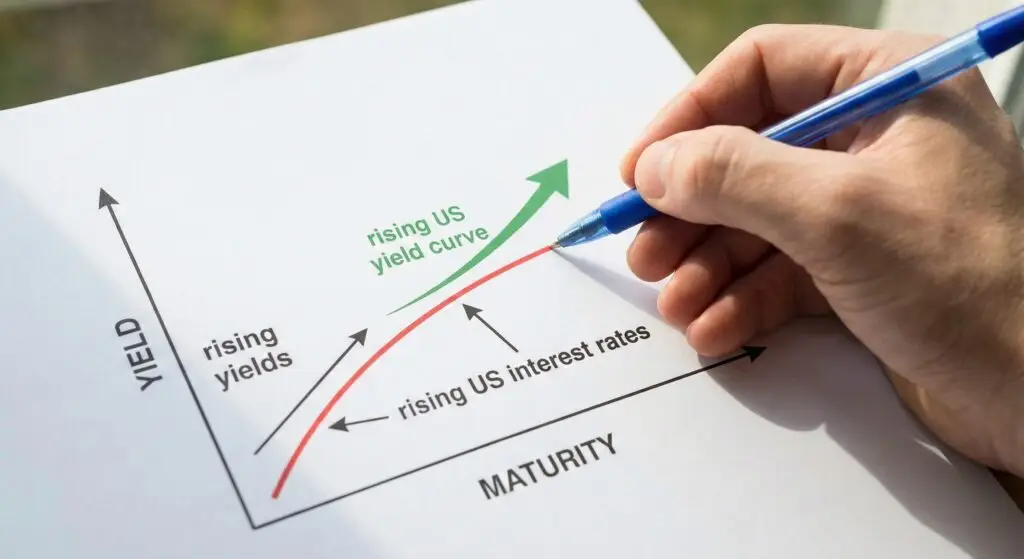
Normally, predicting interest rates is a losing game, but this cycle has a clearer structure. The short end of the yield curve is moving lower. You do not fight the Fed, and you do not fight an administration that is openly pushing for easier policy. Longer-term rates are a different story. They are likely to remain higher unless there is another round of quantitative easing.
The result could be a meaningfully steeper yield curve. If returns on CDs and money markets fall as expected, capital eventually has to move out the risk spectrum to maintain purchasing power.
From a portfolio perspective, this reinforces why discipline matters more than prediction. Markets are adjusting to lower inflation, slower but stable growth, and gradually easing financial conditions. We believe the most resilient investments continue to be quality companies with strong balance sheets and reliable cash flows.
The challenge next year will be for investors holding too much short-term cash as yields move lower. This is why we often advocate for selectively extending into the 7 to 10 year part of the curve to help balance income and interest rate risk. The choice often comes down to earning 3.5% with no volatility or closer to 4% with a bumpier ride.
Have a great weekend!
Sources
- Economic Data: U.S. Bureau of Economic Analysis (BEA) & Bureau of Labor Statistics (BLS).
- Policy Remarks: Televised Presidential Address & White House Press Briefing (Dec 18, 2025).
- Central Bank Policy: Bank of Japan Policy Board Announcement & Bank of England Monetary Policy Committee.
- Earnings Projections: FactSet Consensus Estimates & S&P Global Market Intelligence.
- AI Reporting: The Japan Times / Mainichi Shimbun (Okayama Report).
Disclaimer: The views expressed here are those of the author as of December 20, 2025, and are subject to change without notice. This material is for informational purposes only and does not constitute a recommendation to buy or sell any specific security. Past performance is not a guarantee of future results. All investing involves risk, including the potential loss of principal.